Introduction
Choosing a professional CCTV installation company determines whether your security infrastructure becomes an asset or a liability. In an era where surveillance systems evolve rapidly with AI integration, cloud storage, and analytics capabilities, partnering with experienced providers ensures your investment delivers tangible protection. With security threats becoming increasingly sophisticated across the United States and globally, businesses need cctv installation solutions that combine cutting-edge technology with expert implementation to safeguard assets, monitor operations, and maintain compliance.
Key Takeaways
- Professional CCTV installation company deliver customized security solutions aligned with your specific business requirements and industry regulations
- Quality installation ensures optimal camera placement, minimal blind spots, and seamless integration with existing security infrastructure
- Expert providers offer scalable systems that grow with your business needs while maintaining long-term reliability and support
Understanding Modern CCTV Installation Company Solutions
Modern cctv installation solutions extend far beyond simply mounting cameras on walls. Today’s surveillance systems incorporate artificial intelligence for facial recognition, motion detection algorithms, license plate reading capabilities, and behavioral analytics. A qualified CCTV installation company in Dubai understands how to leverage these technologies to create comprehensive security ecosystems that proactively identify threats rather than just recording incidents.
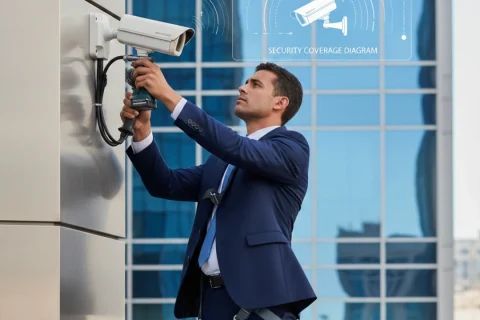
Professional installation involves detailed site surveys, security assessments, and infrastructure planning. Experienced technicians evaluate lighting conditions, coverage zones, network bandwidth requirements, and storage needs before recommending equipment. This methodical approach ensures your surveillance system functions optimally from day one, eliminating costly corrections or system redesigns later. According to security industry reports, poorly installed systems account for nearly 40% of surveillance failures, highlighting the critical importance of expert implementation.
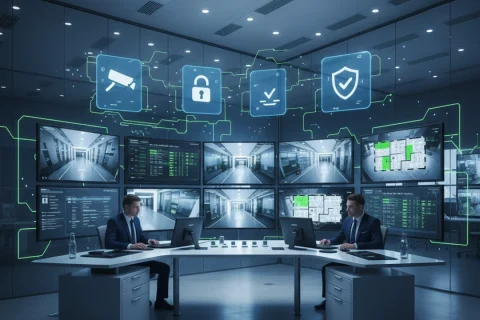
The integration of Internet of Things (IoT) technology has transformed CCTV systems into intelligent networks. Modern installations connect surveillance cameras with access control systems, alarm networks, and building management platforms. This convergence enables automated responses to security events, such as locking doors when unauthorized access attempts occur or alerting security personnel when cameras detect unusual activity patterns. Professional installers configure these integrations to ensure seamless communication between systems.
Critical Factors When Selecting Your Installation Partner
Technical Expertise and Certification Standards
Industry certifications demonstrate a company’s commitment to professional standards and technical competence. Reputable installation companies maintain certifications from major manufacturers like Hikvision, Axis Communications, and Dahua, ensuring technicians receive ongoing training on latest technologies. In regions like the UAE, SIRA approved CCTV companies meet stringent regulatory requirements, providing additional assurance of quality and compliance.
Beyond certifications, evaluate the company’s experience with your specific industry. Healthcare facilities require HIPAA-compliant systems with enhanced privacy controls, while retail operations benefit from point-of-sale integration and customer analytics. Manufacturing environments demand rugged equipment resistant to dust, moisture, and extreme temperatures. A specialized provider understands these nuanced requirements and recommends appropriate solutions rather than offering one-size-fits-all packages.
System Scalability and Future-Proofing
Your security needs will evolve as your business grows. Select installation partners who design scalable architectures that accommodate additional cameras, increased storage capacity, and enhanced analytics without requiring complete system overhauls. Modern IP-based systems offer superior scalability compared to legacy analog installations, supporting remote management and cloud integration options.
Future-proofing involves selecting equipment with adequate processing power and network capabilities to support software upgrades. Professional installers specify cameras with sufficient resolution and frame rates to remain relevant as video quality standards advance. They also implement network infrastructure with adequate bandwidth headroom, preventing bottlenecks when expanding camera counts or enabling high-resolution streaming.
Installation Quality: The Foundation of Effective Surveillance
Professional Site Assessment and Design
Comprehensive site surveys identify optimal camera locations, considering factors like coverage requirements, lighting conditions, vandalism risks, and aesthetic considerations. Expert installers use specialized software to create heat maps showing coverage areas and identifying potential blind spots before installation begins. This planning phase prevents security gaps that criminals exploit.
Camera placement requires understanding of surveillance objectives. Perimeter monitoring demands wide-angle cameras covering entry points, while internal monitoring might prioritize high-resolution cameras for detailed facial recognition. Professional installers balance these requirements with environmental factors, selecting weather-resistant housings for outdoor locations and low-light cameras for poorly illuminated areas.
Infrastructure and Network Configuration
Robust network infrastructure forms the backbone of modern surveillance systems. Professional installation includes structured cabling, network switches, and power-over-ethernet (PoE) implementation to ensure reliable connectivity. Installers configure virtual LANs (VLANs) to segregate surveillance traffic from regular business networks, enhancing security and performance. According to networking best practices documented by Cisco, proper network segmentation reduces cybersecurity vulnerabilities while improving system reliability.
Storage infrastructure requires careful planning based on camera resolution, frame rates, and retention requirements. Enterprise-grade network video recorders (NVRs) with redundant storage arrays prevent data loss from hardware failures. Professional installers calculate storage needs considering regulatory compliance requirements—financial institutions might need 90-day retention while retail stores typically maintain 30-day archives. Cloud storage integration provides off-site backup options and enables remote access to footage.
Integration with Comprehensive Security Ecosystems
Modern security demands go beyond standalone surveillance systems. Leading ELV system providers integrate CCTV installations with access control, intrusion detection, fire alarm systems, and building automation platforms. This holistic approach creates intelligent security ecosystems where different components work synergistically to enhance overall protection.
Integration enables powerful automation scenarios. When access control systems detect unauthorized badge usage, integrated CCTV systems automatically display relevant camera feeds to security personnel. Motion sensors trigger high-resolution recording modes, conserving storage while ensuring critical events capture maximum detail. Fire alarm activations can trigger evacuation route cameras to assist emergency responders with real-time situational awareness.
Remote Monitoring and Management Capabilities
Cloud-based management platforms revolutionize how businesses oversee surveillance infrastructure. Professional installations include mobile applications and web portals enabling authorized personnel to view live feeds, review recorded footage, and receive instant alerts from anywhere globally. This remote accessibility proves invaluable for multi-location businesses, allowing centralized security teams to monitor distributed facilities efficiently.
Advanced systems incorporate AI-powered analytics generating actionable insights from surveillance data. Retail businesses analyze customer traffic patterns to optimize store layouts and staffing levels. Manufacturing facilities monitor production line efficiency and identify bottlenecks. Parking facilities track occupancy rates and automate entry management. Professional installers configure these analytics capabilities according to specific business intelligence requirements.
Maintenance, Support, and Long-Term Reliability
Ongoing Maintenance Programs
Regular maintenance ensures surveillance systems remain operational when needed most. Professional CCTV installation companies offer comprehensive maintenance contracts covering routine inspections, software updates, and preventive servicing. Technicians verify camera alignment, clean lenses, check connections, and test recording functionality during scheduled visits. Proactive maintenance identifies potential failures before they impact security coverage.
Software updates address security vulnerabilities and introduce new features. Professional providers manage firmware updates across entire camera fleets, ensuring compatibility while maintaining system stability. They test updates in controlled environments before deployment, preventing disruptions to operational systems. According to cybersecurity research from NIST, unpatched surveillance systems represent significant security risks, making regular updates essential.
Technical Support and Emergency Response
Reliable technical support separates exceptional installation companies from mediocre ones. Look for providers offering 24/7 emergency support with guaranteed response times. When surveillance systems fail, every minute without coverage creates security vulnerabilities. Established companies maintain spare equipment inventories enabling rapid replacements when hardware failures occur.
Support quality extends beyond emergency response. User training ensures security personnel maximize system capabilities, understanding advanced features like intelligent search functions, bookmark creation, and report generation. Professional installers provide comprehensive documentation including system diagrams, configuration details, and troubleshooting guides, enabling internal IT teams to handle routine issues independently.
Industry-Specific Considerations and Compliance
Different industries face unique surveillance requirements and regulatory obligations. Healthcare facilities must balance security needs with patient privacy protections mandated by HIPAA regulations. Financial institutions comply with strict documentation requirements for transaction monitoring and fraud prevention. Educational institutions navigate privacy concerns while maintaining campus safety.
Professional installation companies understand these sector-specific requirements and design compliant systems accordingly. They implement privacy masking features preventing cameras from recording sensitive areas, configure access controls limiting footage viewing to authorized personnel, and establish retention policies meeting regulatory standards. Working with experienced infrastructure specialists ensures surveillance systems support operational objectives while maintaining compliance.
Return on Investment and Cost Considerations
While professional installation involves higher upfront costs compared to DIY approaches, the long-term value justifies the investment. Quality installations minimize maintenance expenses, reduce false alarms consuming security resources, and prevent costly system redesigns. Professional systems deliver superior reliability, with enterprise-grade equipment offering significantly longer operational lifespans than consumer products.
Beyond direct security benefits, modern surveillance systems generate business intelligence driving operational improvements. Retailers optimize merchandising based on customer behavior analytics. Manufacturing facilities identify process inefficiencies through production monitoring. Property managers enhance tenant experiences by analyzing facility usage patterns. These indirect benefits often exceed the initial security investment, transforming surveillance from a cost center into a value-generating asset.
Conclusion
Selecting the right CCTV installation company fundamentally impacts your organization’s security posture, operational efficiency, and long-term technology investment. Professional providers deliver expertise extending beyond basic camera mounting, encompassing system design, infrastructure integration, ongoing support, and business intelligence capabilities. By partnering with experienced cctv installation solutions specialists, businesses ensure their surveillance infrastructure provides reliable protection while adapting to evolving security challenges and technological advancements.
Whether you’re upgrading legacy systems or implementing new security infrastructure, choosing qualified installation partners determines success. Evaluate providers based on technical certifications, industry experience, scalability offerings, and support capabilities. The right partner transforms surveillance from a reactive recording tool into a proactive security and business intelligence asset protecting your most valuable resources.
Ready to enhance your security infrastructure? Contact Vega Digital IT Solutions to discuss comprehensive surveillance solutions tailored to your specific requirements.
Frequently asked questions
1. What should I look for when choosing a CCTV installation company?
Look for industry certifications, proven experience in your sector, scalable system design capabilities, and comprehensive maintenance support. A professional CCTV installation company should provide detailed site assessments, quality equipment recommendations, and ongoing technical assistance to ensure long-term reliability.
2. How much does professional CCTV installation typically cost?
Professional CCTV installation costs vary based on camera quantity, system complexity, and infrastructure requirements. Entry-level systems start around $2,000-$5,000, while enterprise installations can exceed $50,000. Quality ELV system integration ensures optimal value and performance.
3. What’s the difference between IP and analog CCTV systems?
IP cameras transmit digital video over networks, offering higher resolution, remote access, and advanced analytics. Analog systems use coaxial cables with lower resolution but cost less initially. Modern cctv installation solutions predominantly use IP technology for superior scalability and features.
4. How long does CCTV installation usually take?
Small installations with 4-8 cameras typically take 1-2 days, while complex enterprise systems may require 1-2 weeks. Timeline depends on site preparation, cable routing complexity, network configuration, and security system integration requirements.
5. Can CCTV cameras work without internet connection?
Yes, CCTV systems can operate without internet using local network video recorders (NVRs). Internet connectivity enables remote viewing, cloud backup, and mobile alerts. Professional installers configure systems based on your connectivity needs and security requirements for optimal functionality.
6. What maintenance does a CCTV system require?
Regular maintenance includes lens cleaning, connection checks, firmware updates, and storage verification. Professional cctv installation companies offer quarterly or bi-annual service contracts. Preventive maintenance identifies potential failures early, ensuring continuous surveillance coverage and smart building performance.
7. How do I ensure my CCTV system is cybersecure?
Implement strong passwords, enable encryption, regularly update firmware, and segregate surveillance networks from business networks. Work with certified installers who follow cybersecurity best practices. Proper configuration prevents unauthorized access and protects sensitive surveillance data from breaches.
8. What camera resolution do I need for effective surveillance?
Minimum 1080p (2MP) resolution suits general monitoring, while 4K (8MP) cameras provide facial recognition detail. Resolution requirements depend on monitoring distance and identification needs. Professional cctv installation solutions providers assess your specific requirements to recommend appropriate specifications.
9. Can I integrate CCTV with my existing security systems?
Modern CCTV systems integrate seamlessly with access control, alarm systems, and building automation platforms. Integration enables automated responses and centralized management. Experienced IoT solution providers design comprehensive security ecosystems that enhance overall protection efficiency.
10. How long should CCTV footage be stored?
Retention periods vary by industry regulations and business needs. Retail typically stores 30 days, financial institutions require 90+ days, while some sectors mandate longer retention. Professional installers calculate storage capacity based on camera count, resolution, frame rates, and compliance requirements.