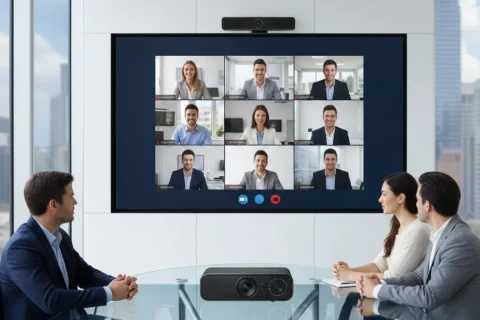
Modern businesses require seamless communication tools, and video conference solutions have become essential for organizations seeking to enhance collaboration and productivity. As remote work and global teams become the norm, implementing robust video conference solutions enables enterprises to connect employees, clients, and partners across geographical boundaries effortlessly. Today’s advanced platforms integrate with existing infrastructure, offering features like screen sharing, recording, and real-time collaboration. Organizations that invest in professional video conferencing technology experience improved decision-making, reduced travel costs, and enhanced operational efficiency across all business functions.
Key Takeaways
- Enhanced Collaboration: Video conference solutions facilitate real-time communication, enabling teams to collaborate effectively regardless of location, reducing project delays and improving decision-making processes.
- Cost Efficiency: Implementing a comprehensive video conference system significantly reduces travel expenses and overhead costs while maintaining high-quality business interactions and relationships.
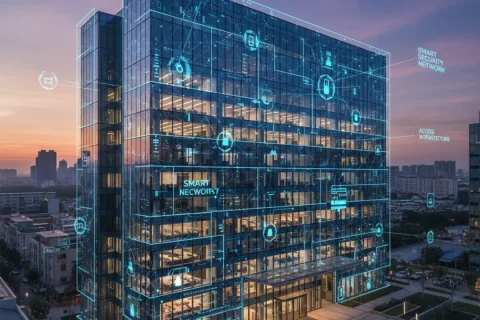
- Integration Capabilities: Modern platforms seamlessly integrate with existing IT infrastructure, including ELV systems and IoT devices, creating a unified communication ecosystem for enterprises.
Understanding Enterprise Video Conference Solutions
Enterprise video conference solutions represent comprehensive communication platforms designed to facilitate face-to-face interactions in virtual environments, combining hardware, software, and network infrastructure to deliver reliable, high-quality audio-visual experiences for businesses of all sizes.
The evolution of video conferencing technology has transformed how organizations conduct business operations. Modern video conference systems integrate seamlessly with cloud platforms, enabling instant access from any device or location. These solutions support various use cases, from small team meetings to large-scale webinars with thousands of participants.
According to recent industry reports, 87% of enterprises have increased their investment in video conferencing infrastructure to support hybrid work models. The technology encompasses high-definition cameras, professional-grade microphones, interactive displays, and sophisticated software that ensures crystal-clear communication. As businesses increasingly adopt smart ELV systems in UAE, video conferencing can be integrated as part of their comprehensive building automation strategy, creating intelligent workspaces that enhance productivity and collaboration through unified technology ecosystems.
Key Features of Advanced Video Conference Systems
Comprehensive video conference systems incorporate multiple technological components working in harmony, delivering features such as real-time screen sharing, multi-party calling, AI-powered noise cancellation, automatic transcription, and advanced security protocols that protect sensitive business communications.
Today’s video conference platforms offer sophisticated capabilities that extend beyond basic video calls. AI-powered features include background blur, virtual backgrounds, real-time language translation, and meeting transcription services.
Security features such as end-to-end encryption, multi-factor authentication, and compliance with international data protection standards ensure confidential information remains protected. Integration capabilities allow these systems to connect with project management tools, customer relationship management platforms, and calendar applications.
Analytics dashboards provide insights into meeting patterns, helping organizations optimize resource allocation.
For businesses seeking comprehensive digital transformation, partnering with experts who provide software solutions in UAE enables customization of these platforms to align with specific business requirements, ensuring maximum return on investment and seamless user adoption across all departments.
Hardware Components and Infrastructure Requirements
Successful video conference solution deployment requires careful consideration of hardware components and network infrastructure. Professional-grade cameras with 4K resolution, wide-angle lenses, and auto-tracking capabilities ensure all participants remain visible during meetings. High-fidelity microphone arrays with acoustic echo cancellation eliminate background noise and provide clear audio. Large-format displays or interactive whiteboards facilitate content sharing and collaboration. Network infrastructure must support sufficient bandwidth, typically requiring at least 4 Mbps upload and download speeds for HD video. Quality of Service (QoS) configurations prioritize video traffic, preventing interruptions during critical communications. Organizations must also consider redundancy measures, including backup internet connections and power supplies, to ensure continuous availability of communication services during technical failures.
Industry-Specific Applications and Benefits
Different industries leverage video conference solutions in unique ways, with manufacturing facilities using them for remote equipment diagnostics, healthcare providers conducting telemedicine consultations, educational institutions delivering virtual classrooms, and financial services firms facilitating secure client meetings across multiple jurisdictions.
The versatility of video conferencing technology enables diverse applications across industry sectors. Organizations in the manufacturing sector leverage video systems for remote troubleshooting, allowing technicians to diagnose equipment issues without traveling to facilities, significantly reducing downtime and maintenance costs. Real estate professionals conduct virtual property tours, enabling international clients to view properties remotely without geographical constraints. Retail organizations use video conferencing for training staff across multiple locations, ensuring consistent service standards and brand messaging. The healthcare sector has experienced remarkable growth in telemedicine applications, with 76% of hospitals now offering virtual consultations. Educational institutions deliver hybrid learning experiences, combining in-person and remote students in the same classroom environment. Legal firms conduct depositions and client meetings virtually, expanding their service areas without geographical limitations. Financial services organizations utilize secure video platforms for compliance interviews and client consultations, maintaining regulatory requirements while improving accessibility and client satisfaction.
Integrating Video Conferencing with IoT and Smart Infrastructure
Modern enterprises are discovering powerful synergies between video conference systems and Internet of Things technologies. When video conferencing is integrated with the advanced IoT platforms in Dubai that leading companies deploy, it becomes part of a comprehensive smart building ecosystem that transforms workplace experiences. IoT sensors can detect room occupancy, automatically launching video conference systems when participants enter meeting spaces. Environmental controls adjust lighting and temperature based on meeting schedules and participant preferences. Smart whiteboards capture notes and diagrams, automatically distributing them to participants through integrated collaboration platforms. Presence detection systems can notify remote participants when colleagues become available, facilitating spontaneous collaboration. Energy management systems can power down unused conferencing equipment, reducing operational costs. This integration creates seamless user experiences while maximizing efficiency and reducing the environmental impact of business operations.
Implementation Best Practices and Considerations
Successful video conference solution implementation requires strategic planning, including comprehensive needs assessment, vendor evaluation, pilot testing, user training programs, ongoing technical support, and continuous optimization based on user feedback and changing organizational requirements.
Organizations embarking on video conferencing implementation should begin with thorough requirements analysis. This involves assessing current communication patterns, identifying pain points, and defining success metrics. Pilot programs allow teams to test solutions in real-world scenarios before full-scale deployment. User training is critical for adoption, with studies showing that 68% of failed technology implementations result from inadequate training rather than technical limitations. Organizations should develop comprehensive training materials, conduct hands-on workshops, and establish support channels for troubleshooting. Technical considerations include bandwidth analysis, network security assessments, and compatibility testing with existing systems. Change management strategies help overcome resistance, emphasizing the benefits of new technology while addressing concerns. Regular system audits and performance monitoring ensure optimal operation, identifying issues before they impact business operations.
Cost Analysis and Return on Investment
Understanding the financial implications of video conference solutions requires examining both direct and indirect costs and benefits. Initial investments include hardware equipment, software licenses, network infrastructure upgrades, and installation services. Ongoing costs encompass software subscriptions, maintenance contracts, bandwidth consumption, and technical support. However, the return on investment often justifies these expenses. Organizations typically reduce travel costs by 30-50% after implementing video conferencing, with some enterprises saving millions annually. Time savings are equally significant, with employees spending less time traveling and more time on productive activities. Improved collaboration accelerates decision-making, reducing project timelines by an average of 20%. Environmental benefits include reduced carbon emissions from decreased business travel, aligning with corporate sustainability goals. Customer satisfaction often improves due to increased accessibility and faster response times, contributing to revenue growth and competitive advantage.
Future Trends in Video Conferencing Technology
The video conferencing landscape continues evolving rapidly, with emerging technologies including augmented reality integration, holographic displays, 5G network capabilities, advanced AI features, spatial audio, and immersive virtual meeting environments that simulate in-person interactions with unprecedented realism and engagement.
The next generation of video conference solutions promises revolutionary capabilities that will redefine remote collaboration. Augmented reality features will overlay digital information onto physical environments, enabling new forms of visualization and interaction. According to Gartner research, 25% of enterprises will deploy immersive collaboration technologies by 2026. Holographic displays will create three-dimensional representations of participants, making remote meetings feel more personal and engaging. Artificial intelligence will continue advancing, with features like real-time sentiment analysis, automated meeting summaries, and intelligent scheduling assistants. 5G networks will enable ultra-low latency connections, supporting high-definition video streaming even in mobile environments. Spatial audio technology will create realistic soundscapes, helping participants identify speaker locations and improving comprehension in multi-party conversations. Virtual reality integration will allow team members to meet in simulated environments, fostering creativity and team building despite physical separation.
Security and Compliance Considerations
As video conferencing becomes central to business operations, security and compliance requirements demand careful attention. Organizations must implement robust security measures to protect sensitive communications from unauthorized access and cyber threats. End-to-end encryption ensures that only intended participants can access meeting content. Multi-factor authentication prevents unauthorized users from joining sessions. Regular security audits identify vulnerabilities before they can be exploited. Compliance requirements vary by industry and jurisdiction, with healthcare organizations adhering to HIPAA standards, financial institutions following FINRA regulations, and multinational corporations navigating GDPR requirements. Data residency considerations determine where meeting recordings and transcripts are stored, ensuring compliance with local laws. According to a recent Cisco security report, 51% of organizations experienced security incidents related to collaboration tools, highlighting the importance of comprehensive security strategies that protect video conferencing infrastructure while maintaining usability and performance.
Conclusion
Video conference solutions have evolved from simple communication tools into strategic assets that drive business transformation and competitive advantage. Organizations implementing comprehensive video conference systems experience enhanced collaboration, reduced operational costs, improved productivity, and increased flexibility in managing distributed teams. The integration of video conferencing with smart infrastructure, IoT platforms, and AI capabilities creates powerful ecosystems that support modern business requirements. As technology continues advancing, early adopters of sophisticated video conferencing solutions position themselves for success in an increasingly connected and competitive global marketplace. Investing in professional-grade systems ensures organizations can meet current needs while remaining adaptable to future innovations.
Frequently Asked Questions
What are video conference solutions and how do they work?
Video conference solutions are integrated communication platforms combining hardware, software, and network infrastructure to enable real-time audio-visual meetings. They use cameras, microphones, displays, and cloud-based software to connect participants globally, facilitating seamless virtual collaboration and communication.
How much does a professional video conference system cost for businesses?
A professional video conference system typically costs between $5,000-$50,000 for initial setup, depending on room size and features. Monthly subscription fees range from $15-$50 per user. Consider implementation, training, and maintenance costs when budgeting for comprehensive solutions.
What internet speed is required for video conference solutions?
High-quality video conference solutions require minimum 4 Mbps upload/download speeds per participant for HD video. For 4K meetings or larger groups, 8-10 Mbps per connection is recommended. Consistent bandwidth and proper network configuration ensure smooth, uninterrupted communication experiences.
Can video conferencing integrate with existing business infrastructure?
Yes, modern video conference solutions seamlessly integrate with calendars, CRM platforms, project management tools, and building automation systems. Organizations implementing comprehensive infrastructure solutions can unify communication systems with existing IT environments, maximizing technology investments and workflow efficiency.
What security features should businesses prioritize in video conferencing?
Essential security features include end-to-end encryption, multi-factor authentication, waiting rooms, meeting passwords, and compliance certifications (HIPAA, GDPR, SOC 2). Regular security audits, data residency controls, and participant management tools protect sensitive business communications from unauthorized access and cyber threats.
How do video conference systems benefit retail operations?
Video conference systems enable retail businesses to conduct virtual training across multiple locations, facilitate remote customer consultations, and coordinate with suppliers efficiently. Retail organizations reduce travel costs while maintaining consistent brand standards and improving customer service through accessible communication channels.
What’s the difference between cloud-based and on-premises video conferencing?
Cloud-based solutions offer lower upfront costs, automatic updates, scalability, and minimal IT maintenance requirements. On-premises systems provide greater data control, customization options, and enhanced security but require significant infrastructure investment, dedicated IT resources, and ongoing management expenses for operations.
How can AI enhance video conference solutions for enterprises?
AI-powered features in video conference solutions include automatic transcription, real-time language translation, background noise cancellation, intelligent framing, virtual backgrounds, and meeting summaries. These capabilities improve accessibility, productivity, and user experience while reducing administrative tasks and enhancing communication effectiveness.
What are the main benefits of video conferencing for real estate businesses?
Video conferencing enables real estate professionals to conduct virtual property tours, connect with international clients, facilitate remote closings, and collaborate with team members efficiently. Real estate organizations expand market reach while significantly reducing travel expenses and improving client accessibility globally.
How quickly can businesses see ROI from video conference system investments?
Most organizations achieve positive ROI within 6-12 months through reduced travel expenses, increased productivity, and improved collaboration. Enterprises often recoup investments faster due to higher travel cost savings. Ongoing benefits include enhanced customer satisfaction, faster decision-making, and reduced environmental impact.