Modern residential complexes face increasing demands for enhanced security, energy efficiency, and convenience. IoT Companies in Dubai are revolutionizing how residential buildings operate through smart Extra Low Voltage (ELV) systems that integrate cutting-edge technology with everyday living. These advanced systems combine security, automation, and connectivity to create safer, more efficient living environments that meet the expectations of today’s tech-savvy residents. By implementing intelligent ELV solutions, property managers can significantly reduce operational costs while providing residents with unparalleled comfort and peace of mind.
Key Takeaways
- Smart ELV system integrates security, automation, and IoT technology to create comprehensive residential solutions that enhance both safety and operational efficiency.
- Advanced monitoring capabilities enable real-time threat detection, energy optimization, and predictive maintenance, reducing costs by up to 30% while improving resident satisfaction.
- Choosing experienced providers with proven expertise in smart automation solutions ensures seamless integration and long-term reliability for residential complexes.
Understanding Smart ELV System in Residential Buildings
Smart ELV system represents the convergence of traditional building infrastructure with modern digital technology, creating an interconnected ecosystem that responds intelligently to resident needs and environmental conditions. Unlike conventional electrical systems, ELV system operates at safer voltage levels below 50 volts AC, making them ideal for data transmission, communication networks, and control systems throughout residential complexes.
These systems form the technological backbone of modern residential buildings, integrating everything from access control and CCTV surveillance to fire alarms and building automation. The true power of smart ELV system lies in their ability to communicate with each other, creating a unified platform where security cameras can trigger lighting responses, access control systems can manage elevator permissions, and environmental sensors can optimize HVAC performance based on occupancy patterns.
What Makes an ELV System “Smart”?
The intelligence in modern smart ELV system stems from their integration with IoT sensors, artificial intelligence algorithms, and cloud-based management platforms. These components work together to collect data, analyze patterns, and make autonomous decisions that improve building performance. For instance, smart sensors can detect unusual activity patterns and automatically alert security personnel while adjusting lighting and camera focus to capture better footage.
Machine learning algorithms continuously improve system performance by learning from historical data and resident behavior patterns. This adaptive capability means the system becomes more effective over time, anticipating maintenance needs before failures occur and optimizing energy consumption based on seasonal variations and usage patterns. Property managers can access comprehensive dashboards that provide real-time insights into every aspect of building operations, from energy consumption to security incidents.
Enhanced Safety Features Through Smart ELV Integration
Safety remains the paramount concern for residential complexes, and smart ELV system delivers unprecedented protection through multiple integrated layers of security and emergency response capabilities. Modern residential buildings require comprehensive safety solutions that go beyond traditional security measures to address evolving threats and emergency scenarios.
Advanced Security and Surveillance
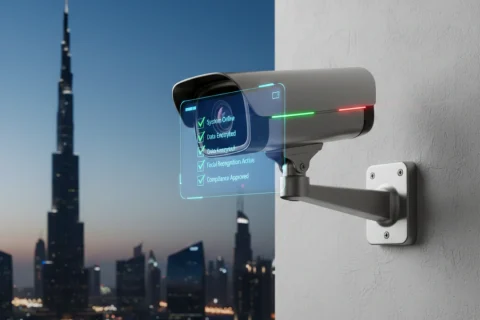
Smart security systems integrate high-definition IP cameras with intelligent video analytics that can distinguish between routine activities and potential security threats. These systems automatically track suspicious behavior, send instant alerts to security personnel, and maintain detailed logs of all access points. Facial recognition technology enables seamless entry for authorized residents while flagging unknown individuals for security review.
Access control systems have evolved beyond simple card readers to include biometric authentication, mobile credentials, and temporary access codes for visitors and service providers. Integration with elevator controls ensures residents can only access their designated floors, while delivery personnel receive time-limited access to specific areas. These smart automation solutions create multiple security layers that adapt to different threat levels and scenarios.
Perimeter security benefits from advanced sensors that can differentiate between animals, environmental factors, and genuine intrusions, significantly reducing false alarms while maintaining vigilant protection. Smart lighting systems automatically illuminate areas when motion is detected, deterring potential intruders while providing safe passage for residents during nighttime hours.
Fire Detection and Emergency Response
Modern fire detection systems utilize multi-sensor technology that analyzes temperature, smoke particles, and air quality to identify fires at their earliest stages, often before visible smoke appears. These systems integrate with building automation to automatically shut down HVAC systems to prevent smoke spread, unlock emergency exits, activate evacuation lighting, and notify emergency services with precise location information.
Emergency communication systems provide real-time updates to residents through multiple channels including intercoms, mobile notifications, and digital displays throughout the building. Integration with elevator controls ensures lifts automatically return to designated floors and disable during fire events, preventing residents from endangering themselves. Smart emergency lighting systems illuminate evacuation routes and adapt based on the fire’s location, guiding residents toward the safest exit paths.
Efficiency Improvements with Smart Automation Solutions
Beyond security enhancements, smart ELV system dramatically improves operational efficiency through intelligent automation that reduces energy consumption, minimizes maintenance costs, and enhances resident comfort. Studies show that buildings equipped with comprehensive smart automation can achieve energy savings of 20-30% compared to conventional systems.
Energy Management and Conservation
Smart energy management systems monitor consumption patterns across the entire residential complex, identifying inefficiencies and automatically implementing corrective measures. Lighting systems equipped with occupancy sensors and daylight harvesting technology ensure lights operate only when and where needed, while automatically adjusting intensity based on natural light availability.
Common area lighting adapts based on time of day and occupancy patterns, dimming during low-traffic periods and brightening when residents are present. Smart power management systems can identify appliances in standby mode and implement scheduled shutdowns during peak pricing periods, helping residents reduce their electricity bills. Real-time energy monitoring provides residents with detailed consumption data, encouraging more sustainable behavior through increased awareness.
Solar panel integration optimizes renewable energy utilization by coordinating power storage, grid consumption, and distribution based on current demand and weather forecasts. Battery storage systems automatically charge during off-peak hours and discharge during expensive peak periods, maximizing cost savings for the entire complex.
Automated Climate Control
Home automation systems enable precise climate control that maintains optimal comfort while minimizing energy waste. Smart thermostats learn resident preferences and adjust temperatures based on occupancy schedules, weather forecasts, and time of day. In common areas, climate control systems optimize HVAC operation based on actual usage patterns rather than fixed schedules.
Integrated humidity sensors ensure optimal moisture levels, preventing mold growth while maintaining comfort and protecting building materials from moisture damage. Zone-based climate control allows different areas of the complex to maintain different temperature settings based on sun exposure, occupancy, and specific requirements, ensuring residents pay only for the comfort they actually use.
Predictive maintenance algorithms analyze HVAC system performance data to identify potential issues before they cause system failures. This proactive approach reduces emergency repair costs, extends equipment lifespan, and ensures residents never experience unexpected climate control disruptions.
The Role of IoT in Modern Residential ELV System
The Internet of Things has transformed residential ELV system from isolated subsystems into an integrated intelligent network that continuously optimizes building performance. IoT connectivity enables centralized management, remote monitoring, and data-driven decision-making that was impossible with traditional building systems.
Real-Time Monitoring and Control with Smart ELV System
IoT-enabled ELV system provides property managers with comprehensive visibility into every aspect of building operations through intuitive cloud-based dashboards accessible from anywhere. Real-time alerts notify management teams of security incidents, system malfunctions, or unusual consumption patterns, enabling immediate response regardless of their physical location.
Remote diagnostics capabilities allow technical teams to troubleshoot many issues without site visits, reducing response times and maintenance costs. System updates and configuration changes can be deployed remotely across the entire complex, ensuring all devices maintain optimal performance with minimal disruption to residents.
Data analytics platforms process information from thousands of sensors to identify trends, predict maintenance needs, and optimize system performance. These insights enable property managers to make informed decisions about equipment upgrades, energy contracts, and operational procedures based on actual building performance data rather than assumptions.
Smart Home Integration
Modern residents expect their apartments to integrate seamlessly with their personal home automation systems and preferred control interfaces. Open-standard ELV system enables residents to control lighting, climate, and security features through voice assistants, mobile apps, or centralized control panels. This flexibility ensures residents can interact with building systems using their preferred technology ecosystem, whether Apple HomeKit, Google Home, or Amazon Alexa.
Personal automation scenarios allow residents to create custom responses to their daily routines. Morning routines might automatically adjust temperature, open blinds, and start the coffee maker, while evening scenarios could secure locks, dim lights, and activate security cameras. Integration with personal calendars enables systems to adapt when residents deviate from normal schedules, maintaining comfort and security even during unusual circumstances.
Choosing the Right Partner for Your Residential Complex
Implementing a comprehensive smart ELV system requires expertise in system design, integration, and ongoing management. The complexity of modern building automation demands a partner with proven experience across multiple technologies and the ability to create customized solutions that address specific building requirements and resident expectations.
When evaluating potential providers, consider their track record with residential projects of similar scale and complexity. Request detailed case studies that demonstrate measurable improvements in safety, efficiency, and resident satisfaction. The ideal partner should offer comprehensive services from initial design and installation through ongoing maintenance and system optimization.
Choosing the right ELV system provider involves evaluating their technical capabilities, certifications, and commitment to using quality components from reputable manufacturers. Providers should demonstrate expertise in integrating diverse systems from multiple vendors while maintaining compatibility and ensuring long-term reliability. Look for partners who offer comprehensive training for property management teams and responsive technical support to address issues quickly.
Consider the provider’s approach to cybersecurity, as connected building systems present potential vulnerabilities that must be addressed through proper network segmentation, encryption, and access controls. The right partner will implement robust security measures that protect resident privacy while maintaining system functionality and ease of use.
Conclusion
Smart ELV system represents a fundamental shift in how residential complexes approach safety, efficiency, and resident experience. By integrating advanced security features, intelligent automation, and IoT connectivity, these systems deliver measurable improvements in operational costs while enhancing resident satisfaction and property values. The investment in smart ELV infrastructure pays dividends through reduced energy consumption, lower maintenance costs, and improved security that protects both residents and property assets.
As technology continues advancing, ELV and security system integration will become increasingly sophisticated, offering even greater capabilities for residential complexes that embrace innovation. Property managers who partner with experienced providers can future-proof their buildings while creating living environments that meet modern expectations for safety, efficiency, and connectivity. The question is no longer whether to implement a smart ELV system, but rather how quickly you can begin realizing their benefits for your residential community.
Ready to transform your residential complex with cutting-edge smart ELV solutions? Contact Vega Digital IT Solutions today to discover how our expertise in smart automation can enhance your property’s safety and efficiency.
FAQ
1. What services do IoT companies in Dubai offer for residential complexes?
IoT companies in Dubai provide comprehensive smart building solutions including ELV system integration, security automation, energy management, and connected device networks. These services enable residential complexes to enhance safety, reduce operational costs, and improve resident comfort through intelligent automation.
2. How do smart automation solutions improve residential security?
They integrate access control, surveillance cameras, motion sensors, and intelligent lighting into a unified security platform. This integration enables real-time threat detection, automated emergency responses, and remote monitoring capabilities that significantly enhance property protection and resident safety.
3. What is the difference between ELV system and traditional electrical systems?
ELV (Extra Low Voltage) systems operate below 50 volts AC, making them safer for data transmission and communication networks. Unlike traditional electrical systems, ELV systems focus on security, automation, and connectivity, integrating technologies like CCTV surveillance, access control, and building management into intelligent networks.
4. Can home automation systems reduce energy consumption in residential buildings?
Yes, home automation systems can reduce energy consumption by 20-30% through intelligent climate control, occupancy-based lighting, and automated power management. These systems optimize HVAC operations, eliminate energy waste, and provide residents with real-time consumption data for informed decision-making.
5. How much does it cost to implement a smart ELV system in residential complexes?
Implementation costs vary based on complex size, system complexity, and features required, typically ranging from $50,000 to $500,000. Investment returns through energy savings, reduced maintenance costs, and increased property values often justify initial expenses within 3-5 years for most residential complexes.
6. Are smart ELV system compatible with existing building infrastructure?
Modern automation solutions are designed for seamless integration with existing infrastructure through modular components and open protocols. Experienced providers assess current systems and develop phased implementation strategies that minimize disruption while progressively upgrading capabilities to meet contemporary residential standards.
7. What maintenance is required for residential smart automation systems?
Smart automation systems require regular software updates, periodic sensor calibration, and annual system health checks to ensure optimal performance. Professional IT AMC providers offer comprehensive maintenance packages including remote monitoring, predictive diagnostics, and 24/7 technical support for continuous reliability.
8. How do IoT-enabled ELV system protect resident privacy?
IoT-enabled systems employ end-to-end encryption, network segmentation, and role-based access controls to protect resident data. Compliance with international privacy standards ensures personal information remains secure while security features like SIRA-approved CCTV systems maintain surveillance effectiveness without compromising privacy rights.
9. Can residents control smart home features through mobile apps?
Yes, modern home automation systems provide intuitive mobile applications enabling residents to control lighting, climate, security, and appliances remotely. These apps offer real-time notifications, energy monitoring, visitor management, and personalized automation scenarios that enhance convenience and provide complete control over residential environments.
10. What industries benefit most from partnering with IoT companies in Dubai?
Real estate developers, property management firms, hospitality providers, and infrastructure projects benefit significantly from IoT partnerships. These industries leverage smart automation to differentiate properties, optimize operations, enhance security, and meet growing market demands for technologically advanced, sustainable living environments.