Introduction
The modern workplace demands more than traditional conference spaces. A smart meeting room integrates cutting-edge technology to create collaborative environments that enhance productivity, streamline communication, and support hybrid work models. As businesses embrace digital transformation, implementing smart meeting room solutions has become essential for staying competitive. These intelligent spaces combine IoT sensors, AI-powered systems, and intuitive controls to deliver seamless experiences that traditional meeting rooms simply cannot match.
Key Takeaways
- Seamless Integration: Smart meeting room solutions connect video conferencing, audio systems, lighting, and climate control through centralized platforms for effortless management.
- Enhanced Productivity: Automated scheduling, occupancy tracking, and real-time collaboration tools reduce meeting setup time by up to 40% while improving participant engagement.
- Future-Ready Infrastructure: IoT-enabled meeting spaces provide data analytics that optimize space utilization, energy consumption, and resource allocation for long-term ROI.
What Makes a Meeting Room “Smart”?
A smart meeting room leverages interconnected technologies to automate processes, improve user experience, and provide data-driven insights for better decision-making.
Unlike conventional conference rooms that require manual adjustments and separate control systems, smart meeting rooms operate as unified ecosystems. These spaces featureIoT-enabled devices that communicate with each other to create optimal environments automatically. When someone enters the room, sensors detect their presence and adjust lighting, temperature, and audio-visual equipment based on pre-set preferences or scheduled meetings. Voice-activated assistants respond to commands, wireless presentation systems eliminate cable clutter, and integrated booking platforms prevent double-bookings. This level of automation transforms how teams collaborate, making technology invisible while maximizing its impact. The intelligence built into these rooms extends beyond basic automation—advanced analytics track usage patterns, identify peak times, and suggest improvements to space allocation across the organization.
Essential Components of Smart Meeting Room Solutions
Modern smart meeting room solutions combine hardware, software, and connectivity infrastructure to deliver comprehensive collaboration experiences across all meeting scenarios.
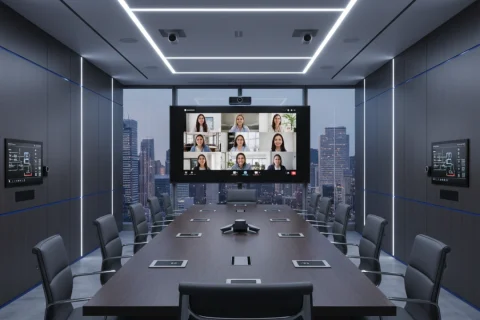
The foundation begins with high-definition video conferencing systems that support multiple platforms, ensuring remote participants experience crystal-clear audio and video quality. Interactive displays replace traditional whiteboards, enabling real-time annotation and content sharing that participants can access from their devices. Occupancy sensors and booking panels mounted outside rooms provide visibility into availability while collecting valuable utilization data.Smart ELV systems integrate all low-voltage components—lighting, HVAC, security cameras, and access control—into a single manageable network. Wireless presentation gateways allow users to share screens without adapters or cables, while intelligent acoustic panels optimize sound quality regardless of room size. Cloud-based management platforms tie everything together, giving IT administrators centralized control over all meeting spaces. The software layer includes AI-powered features like automatic transcription, language translation, and meeting summaries that enhance accessibility and documentation.
Technology Stack Integration
Successful implementation requires careful consideration of how different systems communicate. APIs enable seamless data exchange between calendar applications, room booking software, and building management systems. This integration ensures that meeting room resources synchronize with employee schedules, automatically adjusting room configurations based on meeting types—whether it’s a formal presentation, brainstorming session, or virtual town hall.
Business Benefits of Implementing Smart Meeting Rooms
Organizations investing in smart meeting room technology report measurable improvements in productivity, cost savings, and employee satisfaction within the first year of deployment.
Financial advantages extend well beyond the initial investment. Energy costs decrease by 20-30% through automated lighting and climate control that adjusts based on actual occupancy rather than fixed schedules. Space utilization improves dramatically when data reveals which rooms remain underused and which require additional capacity. Companies typically reclaim 15-25% of their real estate footprint by rightsizing their meeting room portfolio based on actual usage patterns. Employee productivity gains prove equally significant—participants spend less time troubleshooting technology and more time on meaningful collaboration. According to research from Gartner, organizations with advanced meeting room technology report 35% faster decision-making and 28% improvement in project completion rates. The hybrid work model becomes viable when remote participants experience parity with in-room attendees, reducing travel costs while maintaining team cohesion.Advanced software solutions provide executives with dashboards showing ROI metrics, helping justify further technology investments and demonstrating clear business value.
Competitive Advantages in Talent Acquisition
Modern professionals expect workplace technology that matches their personal devices’ sophistication. Companies offering state-of-the-art meeting facilities gain significant advantages in attracting and retaining top talent, particularly among younger generations who prioritize seamless digital experiences. The quality of collaboration tools directly influences employee satisfaction scores and impacts organizational culture positively.
Industries Transforming with Smart Meeting Room Technology
From healthcare to manufacturing, diverse sectors leverage smart meeting room solutions to address industry-specific collaboration challenges and compliance requirements.
Healthcare organizations utilize secure smart meeting rooms for telemedicine consultations, medical training, and interdisciplinary case reviews. HIPAA-compliant encryption protects patient information during virtual appointments, while high-resolution displays enable detailed examination of diagnostic images.Real estate firms conduct virtual property tours and client presentations through immersive video systems that showcase properties to remote buyers worldwide. Financial services companies implement smart meeting rooms with enhanced security features, biometric access control, and encrypted communications for sensitive client discussions. Manufacturing facilities connect factory floors with corporate offices through ruggedized meeting room technology that withstands industrial environments. Educational institutions create smart learning spaces that adapt to different teaching methods—from traditional lectures to collaborative group work—at the touch of a button. According to McKinsey research, companies implementing smart meeting technology across multiple locations report 40% improvement in cross-regional collaboration and knowledge sharing.
Retail and Hospitality Applications
Retail chains use smart meeting rooms for virtual training sessions, connecting store managers across geographic regions for real-time product updates and sales strategy discussions. Hospitality brands leverage the technology for seamless guest services, enabling remote concierge support and multilingual customer assistance through AI-powered translation features integrated into meeting room systems.
How to Choose the Right Smart Meeting Room Solution
Selecting the optimal smart meeting room configuration requires careful assessment of your organization’s size, collaboration patterns, budget constraints, and long-term growth strategy.
Begin by conducting a thorough audit of existing meeting spaces to understand current utilization rates, common pain points, and user frustrations. Survey employees about their collaboration needs—do they primarily host internal meetings or client presentations? Is video conferencing essential or occasional? What percentage of participants typically join remotely? These insights inform equipment selection and feature prioritization. Consider scalability from the outset; choose solutions that accommodate future expansion without requiring complete system replacements. Evaluate vendors based on their integration capabilities with your existing technology stack, including calendar systems, single sign-on protocols, and communication platforms. Request demonstrations that simulate realistic usage scenarios rather than idealized conditions.Smart building solutions should align with your broader digital transformation strategy, ensuring meeting room technology complements other infrastructure investments. Pay attention to ongoing support requirements—some solutions demand dedicated IT resources while others offer cloud-managed services with minimal internal maintenance. Total cost of ownership extends beyond initial hardware purchases to include software licenses, annual maintenance contracts, training programs, and potential infrastructure upgrades required for network bandwidth and power delivery.
Implementation Best Practices
Successful deployments follow phased rollouts rather than organization-wide launches. Start with pilot programs in two or three meeting rooms, gathering user feedback before expanding. This approach identifies unforeseen challenges early and allows refinement of training materials based on actual user experiences. Establish clear success metrics upfront—whether that’s reduced meeting setup time, improved space utilization, or decreased energy consumption—so you can measure ROI objectively and make data-driven decisions about future investments.
Conclusion
The evolution from traditional conference rooms to smart meeting room environments represents a fundamental shift in workplace collaboration. Organizations that embrace these technologies position themselves for sustained competitive advantage through improved productivity, reduced operational costs, and enhanced employee experiences. As hybrid work models become permanent fixtures, investing in comprehensive smart meeting room solutions transitions from luxury to necessity. The integration of IoT sensors, AI-powered automation, and intuitive user interfaces creates spaces that anticipate needs rather than react to them. Whether you’re a multinational corporation or a growing enterprise, the right meeting room technology delivers measurable returns while future-proofing your infrastructure. Contact VITS today to discover how ourcomprehensive ELV systems and connectivity solutions can transform your meeting spaces into intelligent collaboration hubs.
FAQ
1. What is a smart meeting room?
A smart meeting room is an intelligent collaboration space equipped with IoT sensors, automated controls, and integrated audio-visual systems that automatically adjust lighting, temperature, and technology based on occupancy and meeting requirements, enhancing productivity and user experience.
2. How much does it cost to implement smart meeting room solutions?
Smart meeting room solutions typically cost $5,000-$50,000 per room depending on size, features, and integration complexity. Initial investments include hardware, software licenses, and installation, while ongoing costs cover maintenance, updates, and support services for optimal performance.
3. What are the main components of a smart meeting room?
Essential components include HD video conferencing systems, interactive displays, wireless presentation tools, occupancy sensors, automated lighting and climate controls, and cloud-based management platforms. These elements work together through integrated infrastructure solutions to create seamless collaboration experiences.
4. How do smart meeting rooms improve workplace productivity?
Smart meeting rooms reduce setup time by 40% through automation, eliminate technical difficulties with intuitive interfaces, and provide seamless hybrid collaboration. Real-time data analytics optimize space utilization while AI-powered features like transcription and translation enhance communication efficiency.
5. Can smart meeting room technology integrate with existing systems?
Yes, modern smart meeting room solutions integrate seamlessly with existing calendar applications, video conferencing platforms, building management systems, and security infrastructure. APIs enable data exchange between systems, ensuring compatibility with your current technology stack and workflows.
6. What industries benefit most from smart meeting room solutions?
Healthcare, real estate, financial services, manufacturing, and retail sectors gain significant advantages from smart meeting room solutions. These industries leverage the technology for telemedicine consultations, virtual property tours, secure client meetings, enhanced factory-office connectivity, and distributed team training sessions.
7. How do smart meeting rooms support hybrid work models?
Smart meeting rooms provide remote participants with audio-visual parity to in-room attendees through HD video, intelligent framing, and acoustic optimization. Wireless screen sharing, automatic transcription, and cloud recording ensure all participants access identical information regardless of location.
8. What security features do smart meeting rooms offer?
Smart meeting rooms incorporate multiple security layers including biometric access control, encrypted communications, secure video conferencing protocols, and network segregation. ELV security system integration ensures comprehensive protection for sensitive discussions while maintaining full compliance with industry regulations.
9. How long does it take to install a smart meeting room?
Installation timelines vary from 2-6 weeks depending on room size, complexity, and infrastructure requirements. Simple upgrades with existing network infrastructure complete faster, while comprehensive installations requiring electrical work, network expansion, and custom integration take longer.
10. Do smart meeting rooms require ongoing maintenance?
Yes, smart meeting rooms require regular software updates, hardware calibration, system diagnostics, and technical support to maintain optimal performance. Many vendors offer managed services through IT AMC providers that handle maintenance proactively, ensuring consistent performance and minimizing downtime.