Introduction
Modern businesses demand seamless communication and collaboration tools that enhance productivity and engagement. AV solutions have evolved from simple projection systems to sophisticated integrated platforms that power everything from corporate meetings to large-scale events. As organizations in the UAE continue their digital transformation journey, implementing the right audiovisual infrastructure has become essential for maintaining competitive advantage. This blog explores how businesses can leverage advanced AV solutions to create immersive experiences, streamline operations, and drive meaningful results across various industries.
Key Takeaways
- AV solutions integrate audio, video, and control systems to create unified communication environments that enhance collaboration and productivity
- Strategic implementation of AV solutions in UAE delivers measurable ROI through improved meeting efficiency, reduced operational costs, and enhanced customer engagement
- Modern AV infrastructure seamlessly integrates with existing smart ELV systems and IoT platforms to create intelligent, responsive business environments
- Industry-specific applications in real estate, retail, and infrastructure sectors demonstrate the versatility and impact of professional AV deployments
Understanding Modern AV Solutions and Their Business Impact
AV solutions encompass integrated systems that combine audio, video, display, and control technologies to facilitate communication and information sharing. Today’s advanced AV infrastructure goes far beyond traditional conference room setups. It represents a comprehensive ecosystem that connects people, spaces, and information through intelligent technology platforms designed for seamless interaction and collaboration.
The evolution of AV technology has transformed how businesses operate. Modern systems incorporate artificial intelligence for automatic camera framing, noise cancellation algorithms that eliminate background distractions, and cloud-based management platforms that enable remote monitoring and control. These capabilities create environments where teams can focus on content and collaboration rather than technical complexities. According to industry research, organizations that invest in quality AV infrastructure report up to 35% improvement in meeting productivity and a 40% reduction in technology-related meeting delays. The integration of software solutions with AV platforms further enhances functionality, enabling advanced analytics, usage tracking, and predictive maintenance capabilities that maximize system uptime and user satisfaction.
Essential Components of Enterprise AV Solutions
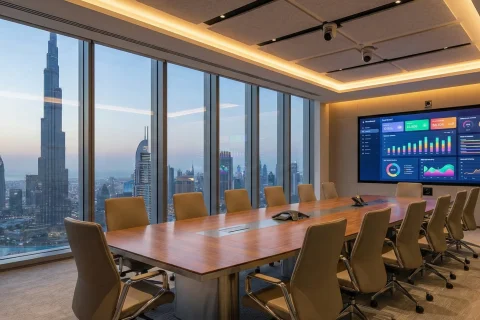
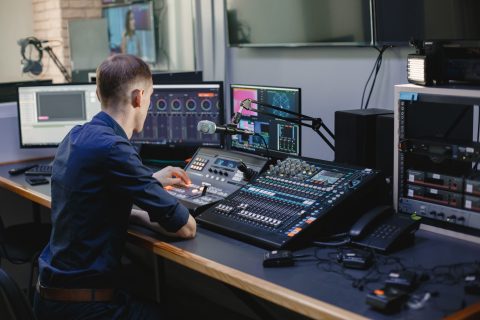
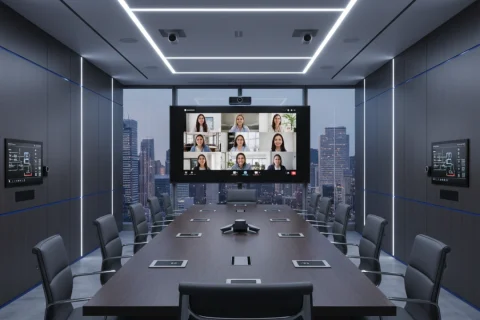
Professional AV solutions in UAE comprise several interconnected elements that work together to deliver exceptional experiences. Display technologies form the visual foundation, including high-resolution LED walls, interactive displays, and projection systems that adapt to various space requirements and lighting conditions. Audio systems ensure crystal-clear sound delivery through strategically placed speakers, microphones with beamforming technology, and digital signal processors that optimize acoustics for each unique environment.
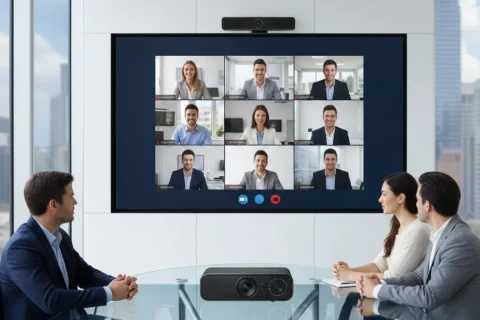
Control systems serve as the central nervous system of AV infrastructure. Modern control platforms provide intuitive interfaces that allow users to manage complex technology with simple touch controls or voice commands. These systems integrate with room scheduling software, lighting controls, and HVAC systems to create responsive environments that automatically adjust to user preferences and meeting requirements. Video conferencing solutions have become essential components, supporting hybrid work models through high-definition cameras, content sharing capabilities, and seamless integration with popular communication platforms like Microsoft Teams and Zoom. The sophistication of these integrated systems demonstrates why partnering with experienced providers like those offering comprehensive IoT solutions ensures optimal performance and scalability.
Industry-Specific Applications Driving AV Adoption
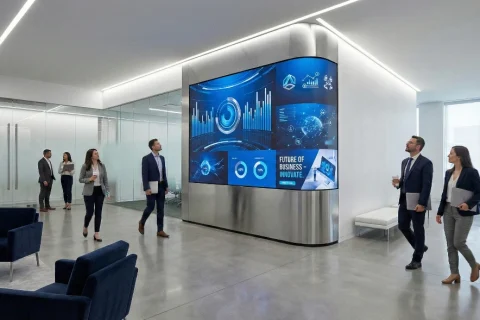
The real estate sector has embraced AV technology to revolutionize property showcasing and client engagement. Virtual property tours powered by high-resolution video walls and immersive audio create experiences that help potential buyers envision their future homes without physical visits. Sales centers equipped with interactive displays allow clients to customize finishes, explore floor plans, and visualize completed developments through augmented reality applications. Smart building lobbies utilize digital signage and wayfinding systems that enhance visitor experiences while providing property managers with valuable analytics about traffic patterns and space utilization. These applications demonstrate how real estate professionals leverage AV technology to accelerate sales cycles and improve customer satisfaction.
Retail environments benefit significantly from strategic AV deployments that create engaging shopping experiences and streamline operations. Dynamic digital signage systems deliver targeted messaging that responds to customer demographics, time of day, and inventory levels. Interactive displays in fitting rooms allow shoppers to request different sizes or colors without leaving the space, while augmented reality mirrors enable virtual try-ons of makeup, accessories, or clothing. Back-of-house applications include video analytics for queue management, staff training through video conferencing systems, and loss prevention through integrated surveillance solutions. The retail sector continues to innovate with AV technology, creating memorable brand experiences that drive customer loyalty and increase conversion rates.
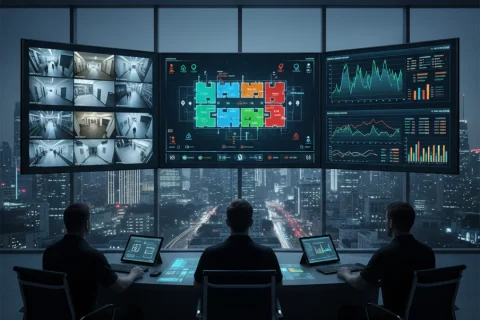
Infrastructure and smart city projects rely on sophisticated AV systems for monitoring, communication, and public engagement. Transportation hubs utilize passenger information displays, public address systems, and emergency communication networks that ensure safety and operational efficiency. Command and control centers deploy video walls that aggregate data from multiple sources, enabling operators to monitor complex systems and respond rapidly to incidents. Public spaces incorporate interactive kiosks, digital wayfinding systems, and environmental monitoring displays that enhance citizen services and engagement. These infrastructure applications highlight the critical role AV technology plays in creating smart, connected communities that improve quality of life for residents and visitors.
Implementation Strategies for Maximum ROI
Successful AV deployment begins with comprehensive needs assessment and strategic planning. Organizations must evaluate their current technology infrastructure, user requirements, and future growth plans to design systems that deliver long-term value. This process involves analyzing room utilization patterns, identifying collaboration workflows, and understanding specific use cases that AV systems will support. Engaging stakeholders from IT, facilities, and end-user departments ensures the solution addresses technical requirements while meeting practical needs.
Technology selection requires balancing performance, scalability, and budget considerations. Leading organizations prioritize open architecture platforms that support integration with existing systems and accommodate future technology additions. Standardization across multiple locations simplifies management, reduces training requirements, and provides economies of scale for maintenance and support. Cloud-based management platforms enable centralized monitoring and configuration, allowing IT teams to troubleshoot issues remotely and push updates without disrupting operations.
Professional installation and integration ensure optimal system performance and reliability. Experienced integrators conduct detailed site surveys to identify potential challenges like acoustic issues, lighting interference, or structural constraints that could impact AV performance. Quality installation includes proper cable management, equipment ventilation, and power conditioning that protect investments and ensure long-term reliability. Comprehensive testing validates that all components function correctly and meet specified performance standards before system handover.
Training and change management determine user adoption and satisfaction. Even the most sophisticated AV systems deliver limited value if users lack confidence in operating them. Effective training programs include hands-on sessions, quick-reference guides, and ongoing support resources that build user competency. Creating AV champions within departments helps drive adoption and provides peer support that complements formal training initiatives.
Integration with Smart Building Technologies
Modern AV solutions achieve their full potential when integrated with broader smart building ecosystems. Connection with building management systems enables automated responses that enhance user experiences and optimize energy efficiency. Conference rooms equipped with occupancy sensors automatically power on displays, adjust lighting, and set climate controls when meetings begin. Integration with room scheduling systems prevents double-booking and displays real-time availability information on door panels, improving space utilization and reducing scheduling conflicts.
Data analytics capabilities transform AV systems from passive tools into strategic assets that inform decision-making. Usage tracking reveals which meeting spaces receive the most traffic, helping organizations optimize their real estate portfolios. Equipment utilization data identifies underused technology that could be redeployed to higher-demand locations. Maintenance analytics predict component failures before they occur, enabling proactive service that minimizes downtime and extends equipment lifecycles.
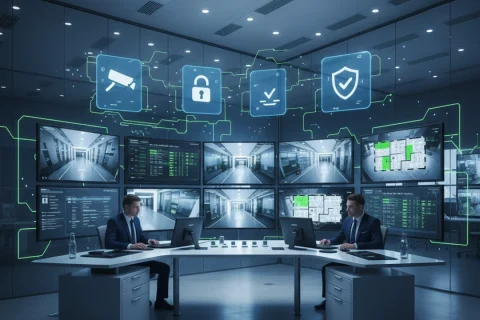
Security integration creates comprehensive protection systems that leverage AV infrastructure for enhanced safety. Video conferencing cameras can double as security monitoring devices during off-hours. Audio systems support emergency mass notification capabilities that ensure critical messages reach building occupants during incidents. Access control integration enables AV systems to verify user identities and adjust room configurations based on meeting sensitivity or participant credentials.
Future Trends Shaping AV Solutions
Artificial intelligence and machine learning continue to revolutionize AV solutions in UAE, introducing capabilities that seemed impossible just years ago. AI-powered cameras automatically frame speakers, detect raised hands for virtual participants, and even analyze engagement levels to provide meeting organizers with feedback about presentation effectiveness. Automatic transcription services convert spoken content into searchable text, while real-time translation breaks down language barriers in multinational organizations. Predictive analytics help IT teams anticipate technical issues and optimize system configurations based on usage patterns.
Hybrid work models drive demand for AV solutions that create equitable experiences for in-person and remote participants. Advanced systems incorporate spatial audio that helps virtual attendees distinguish between speakers, multi-camera configurations that provide dynamic views of meeting spaces, and intelligent content sharing that ensures remote participants receive the same visual information as room occupants. These capabilities demonstrate the evolving expectations for professional collaboration tools.
Sustainability considerations influence AV technology selection as organizations pursue environmental goals. Energy-efficient displays reduce power consumption by up to 50% compared to older technologies. Automatic shutdown features ensure equipment powers down when spaces are unoccupied. The shift toward cloud-based solutions reduces on-premise hardware requirements, lowering cooling costs and extending refresh cycles.
Conclusion
AV solutions represent strategic investments that transform how organizations communicate, collaborate, and engage with customers. From enhancing meeting productivity to creating immersive retail experiences, professional audiovisual infrastructure delivers measurable business value across industries. The integration of AV systems with smart building technologies and IoT platforms creates intelligent environments that respond to user needs while optimizing operational efficiency. As businesses in the UAE continue their digital transformation journeys, partnering with experienced technology providers ensures AV deployments meet current requirements while positioning organizations for future success.
Ready to transform your business operations with cutting-edge AV solutions in UAE? Contact Vega Digital IT Solutions today to discover how our expertise in integrated technology systems can elevate your organization’s communication capabilities and create exceptional experiences for your employees and customers.
Frequently Asked Questions
1. What are AV solutions?
AV solutions are integrated audiovisual systems combining audio, video, display, and control technologies to facilitate seamless communication and collaboration. These systems power everything from conference rooms to large-scale events, creating immersive experiences that enhance productivity and engagement across business operations.
2. How do AV solutions improve business productivity?
AV solutions streamline communication by eliminating technical barriers during meetings and presentations. Studies show organizations experience up to 35% improvement in meeting efficiency through automated camera framing, noise cancellation, and intuitive controls. This allows teams to focus on content rather than troubleshooting technology issues.
3. What industries benefit most from AV solutions in UAE?
Real estate, retail, hospitality, healthcare, and manufacturing sectors gain significant advantages from AV solutions. These industries use audiovisual technology for client presentations, virtual tours, training programs, and operational monitoring. The versatility of modern AV systems makes them valuable across virtually every business sector.
4. What is the cost of implementing professional AV solutions?
Professional AV solutions range from $10,000 for basic conference rooms to $500,000+ for enterprise-wide deployments. Costs depend on room size, technology complexity, and integration requirements. However, businesses typically see ROI within 18-24 months through improved efficiency and reduced travel expenses.
5. How do AV solutions integrate with existing IT infrastructure?
Modern AV solutions seamlessly connect with network infrastructure, cloud platforms, and IT AMC services through standardized protocols. Integration with building management systems, security platforms, and collaboration software creates unified ecosystems. This connectivity enables centralized management and enhanced functionality across all technology systems.
6. What maintenance do AV solutions require?
AV solutions require regular firmware updates, equipment cleaning, calibration checks, and preventive maintenance to ensure optimal performance. Professional maintenance contracts typically include quarterly inspections, remote monitoring, and 24/7 technical support. Proper maintenance extends equipment lifespan by 40% and minimizes unexpected downtime.
7. Can AV solutions support hybrid work environments?
Yes, advanced AV solutions are specifically designed for hybrid collaboration. Systems feature intelligent cameras that auto-frame speakers, spatial audio for natural conversations, and content sharing capabilities ensuring equal participation. These features create equitable experiences whether participants join from office or remote locations.
8. What’s the difference between consumer and professional AV solutions?
Professional AV solutions offer enterprise-grade reliability, scalability, and integration capabilities that consumer products lack. They include advanced features like centralized management, predictive maintenance, custom programming, and dedicated support. Professional systems are built for continuous operation in demanding business environments requiring consistent performance.
9. How do AV solutions enhance security and monitoring?
AV solutions integrate with ELV security systems to provide comprehensive monitoring capabilities. Video conferencing cameras can serve dual purposes for surveillance, while audio systems support emergency notifications. Analytics from AV equipment provide valuable insights about space utilization and security patterns for facility management.
10. What future technologies will impact AV solutions?
Artificial intelligence, augmented reality, and 5G connectivity will revolutionize AV solutions. AI enables automatic transcription, real-time translation, and intelligent content recommendations. AR will create immersive collaboration experiences, while 5G supports seamless wireless connectivity. These technologies will make AV systems more intuitive and powerful.